
Who Are The Daring People Who Will Build The Next Legendary European Companies?
/Fireside Chat between Luciana Lixandru, Partner at Sequoia & Evan Nisselson, Founder and General Partner at LDV Capital
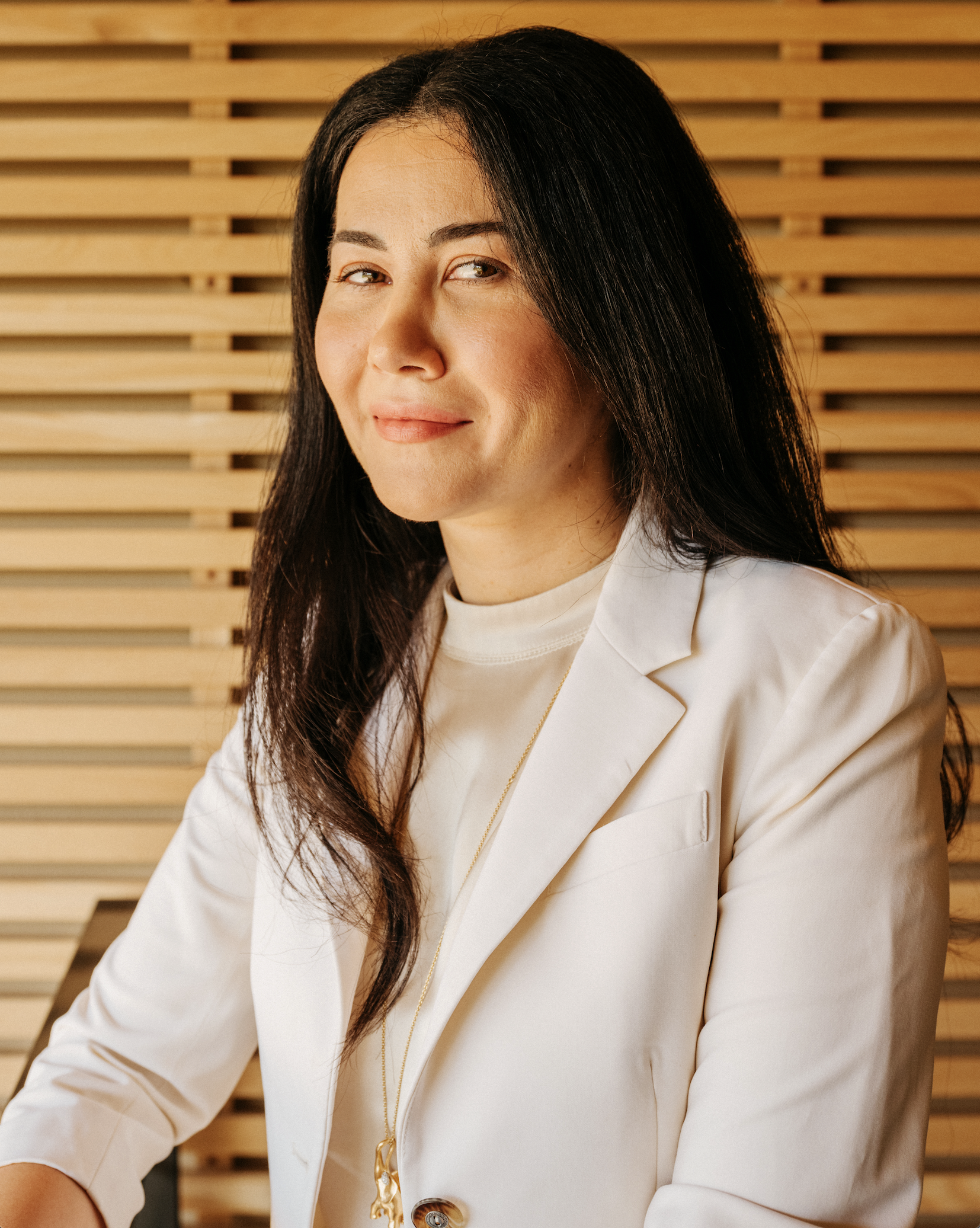
Luciana Lixandru, Partner at Sequoia Capital
Luciana Lixandru, Partner at Sequoia Capital, focuses on enterprise and consumer technology companies across Europe and co-leads Sequoia's early-stage investment business. She is a Director of Pennylane, Robco, Stripe, Tacto, and VEED, and is passionate about helping founders unlock their potential and think on a global scale.
Luciana joined Sequoia in 2021 to help open its London office – while the firm had been partnering with founders in Europe for years, a team on the ground has enabled them to spot outliers earlier and partner more deeply. With a decade of experience in the European venture market, prior as a partner at Accel, Luciana has deep domain expertise, having backed giants like UiPath (PATH), Deliveroo (DROOF), and Miro, among others.
About 30% of LDV Capital investments in each fund are founded in Europe and we continue to see tremendous investment opportunities across Europe. LDV was the first investor in Mapillary which Sequoia also invested in and later it was acquired by Meta. Other European LDV companies include Gardin, Earkick, VitVio, Synthesia and others.
Luciana and Evan Nisselson discussed Luciana’s early investments, including UiPath – a company that initially leveraged computer vision and spent nearly a decade finding product–market fit before achieving major success. They also explored trends and early-stage investment opportunities in businesses harnessing visual technologies and AI.
Check out the recording from our 11th Annual LDV Vision Summit or read our shortened and lightly edited transcript below.
Evan: You grew up in Romania. One of the things I love in your Sequoia bio, which I know was there even before you joined, is that you were inspired to go to the U.S. from an image – from reading and from sitcoms. And that “image” ties into our visual tech theme at LDV and what we’re all talking about today. Tell us a bit about that – how did that inspiration lead you to move to the U.S.?
Luciana: When I say that the image of the United States inspired me, it’s because I had never been there when I decided I wanted to build my career there. That was my dream at the time. Now I’m in London, but I’ll tell you the story.
I grew up in a small town in Romania – about 100,000 people. Not particularly tech-forward, to say the least. I hadn’t traveled much to Western Europe, and I had never been to the U.S., but America had – and still has – this image of the land of opportunity and meritocracy, the place where if you work hard, you can make special things happen.
I was 16, and I guess it was my version of rebellion – I thought, that’s for me. I wanted to give it a shot, to work hard, to build an interesting life for myself. It was life-changing. I was lucky to get a scholarship, and at Sequoia we often talk about “crucible moments” – those pivotal points that change your path forward. If I had to pick one, that would be it. Studying in the U.S. was truly eye-opening, and one thing led to another – that’s how I ended up in venture capital.
Evan: You went on to Georgetown, then worked at Morgan Stanley – but why venture? Tell us how you made that decision. Everyone’s path is different, and there are people in the audience still figuring theirs out. I never thought I’d become a venture capitalist – I even used to say I never would – and yet, here we are.
Luciana: For me, like for many people, luck played a part along the way. Of course, you have to work hard and put yourself in situations where luck can find you–it’s not just luck–but I had a few fortunate breaks.
One of them was getting into venture capital. I grew up in communist and post-communist Romania–technology wasn’t a thing then–but my dad was a small entrepreneur. After communism fell, he tried everything: a shoe store, a car dealership, a bakery. They were small businesses, but that’s how he supported our family.
That gave me a deep appreciation for how hard entrepreneurship is – how much responsibility it takes. So I’ve always had a soft spot for founders. Then, after moving to the U.S., I became more exposed to technology, and when I discovered venture, it felt right.
I started at Summit Partners for a few years, but I began to understand tech investing when I joined Accel in 2011. That was such an exciting time for European tech – the start of the modern ecosystem here. I got to work with founders who shaped the region’s trajectory.
As for decision-making – it was obvious to me. Even today, every morning I wake up excited to do this job. People sometimes ask if I’ve ever wanted to start my own company, but I love investing. I’ve never doubted my path.
Every year, we bring together an impressive lineup of speakers – from tech giants to under-the-radar startups, esteemed research labs and leading venture capital firms. Come join our 12th Annual LDV Vision Summit on March 11, 2026 – RSVP to secure your free ticket.
Evan: That’s fantastic. Natural decisions are often the best ones – forced ones rarely work out the same way. You mentioned Accel – you invested in some incredible companies like UiPath and Deliveroo. Let’s talk about UiPath. It’s a company close to our hearts, and one that’s long leveraged computer vision. How did you meet that team and build conviction early on?
Luciana: Computer vision unlocked UiPath’s growth. The thesis was simple: in large corporations, there are so many legacy systems that don’t talk to each other. UiPath’s technology acted like a bridge – a “glue” – between those systems, enabling automation across them.
It’s also a Romanian company, which made it even more special. I never thought I’d invest in a Romanian startup – the ecosystem was (and still is) small – but we do have incredible engineering talent.

It was partly serendipity. I was visiting family, and I took a Friday to meet a few local seed investors. One of them, Dan Lupu from Earlybird, told me about this little company doing process automation. It made immediate sense – people spend their days doing repetitive tasks; if software can take some of that away, that’s powerful. I met Daniel Dines, and the rest is history.
Evan: What percent of the time would you say you know early on that something could be a good investment? Do you usually get that feeling in the first meeting, or does it take time to build conviction?
Luciana: For me, two things need to align to get excited. That first meeting is often energizing – you think, “Wow, I’d love to be in business with these founders.” But I also need the “thinking slow” phase to match the “thinking fast” one. If I still feel the same excitement after doing the homework and diligence, that’s usually a good sign. My best decisions have come when both instincts align.
Also, as my partner Roelof Botha says: if every subsequent meeting gets better, that’s a great indicator. If enthusiasm fades as you dig deeper, it’s probably not right.
Evan: For us too – if our conviction score drops over time, it’s a bad signal. Back to UiPath: it took several years before it took off. What were those early challenges and when did you know they’d hit product-market fit?
Luciana: We studied a lot of successful companies and how long they took to reach product-market fit. Some, like Wiz, get there fast. Others, like Figma, take years but once they do, they scale quickly.
UiPath was an outlier – it took nearly a decade. They pivoted several times before finding their path in RPA. The turning point came during customer reference calls. I remember how hungry customers were for automation. The enthusiasm was undeniable. That’s when it clicked.
Evan: There’s the classic debate – is it more about the people or the market? I read that early in your career you focused more on markets but now you prioritize people. What changed?
Luciana: Early on I didn’t have the maturity to understand people. I come from a math background – it was easier to analyze markets and numbers. Over time, I realized every successful company has one thing in common: an exceptional founding team. You can vary markets, products, timing but the quality of the founders is the constant. That’s what I’ve learned above all.
Evan: At our stage, it’s all about people – you can’t even look at data yet. You’ve invested in companies like UiPath, Deliveroo, PennyLane, and Miro. What sectors excite you most right now?
Luciana: I tend to think bottom-up rather than top-down. I meet a great founder with a fascinating idea, and I dive in even if I don’t have a thesis yet.
That said, robotics excites me. We’ve been investing there for years before “embodied AI” was a buzzword. There’s a real labor shortage in manufacturing and robots can now take on more unstructured, repetitive tasks. Computer vision is crucial here – robots need to understand their environment to act effectively.
I also think FinTech, while a bit “unsexy” lately, remains full of opportunity – especially in Europe, which has produced incredible companies like Wise, Monzo, and PennyLane.

Evan: Speaking of contrarian thinking, Roelof once said “it’s all about being contrarian and right.” What’s something that might seem contrarian to others but intrigues you?
Luciana: Maybe not today, but historically, the contrarian bets were often in “boring” spaces. Take PennyLane – accounting software for SMEs. Not glamorous, but a massive need. Or Sequoia’s early investments in Airbnb or SpaceX – both seemed crazy at the time. I love that Sequoia embraces both wild and “boring” ideas.
Evan: You once said “Every single company can die in 1000 different ways and succeed in just a couple.” How do you help founders navigate that and increase their odds of success?
Luciana: It’s hard. Building a successful company over a decade is never a straight line. But one strong predictor I’ve seen is speed of execution. The best teams move fast – they make decisions quickly, iterate and recover fast when things go wrong. Speed compounds. It’s also about focus, as you said earlier.
Evan: Victor Riparbelli, Co-Founder and CEO of our portfolio company Synthesia said something very similar – focus and prioritization are everything.
Luciana: He’s right! He’s building an incredible company.
Evan: LDV’s been investing in Europe for over a decade – one of our early collaborations with Sequoia was Mapillary. What’s an example from your portfolio of a company using visual tech that excites you?
Luciana: RobCo is a great one. Their robots use vision to perform reliably in industrial settings – where 95% accuracy isn’t enough; it needs to be 100%. Adding visual intelligence massively expanded their use cases and reliability.
Evan: What are the best and worst traits in entrepreneurs?
Luciana: Best: grit. You have to get back up every time you fall.
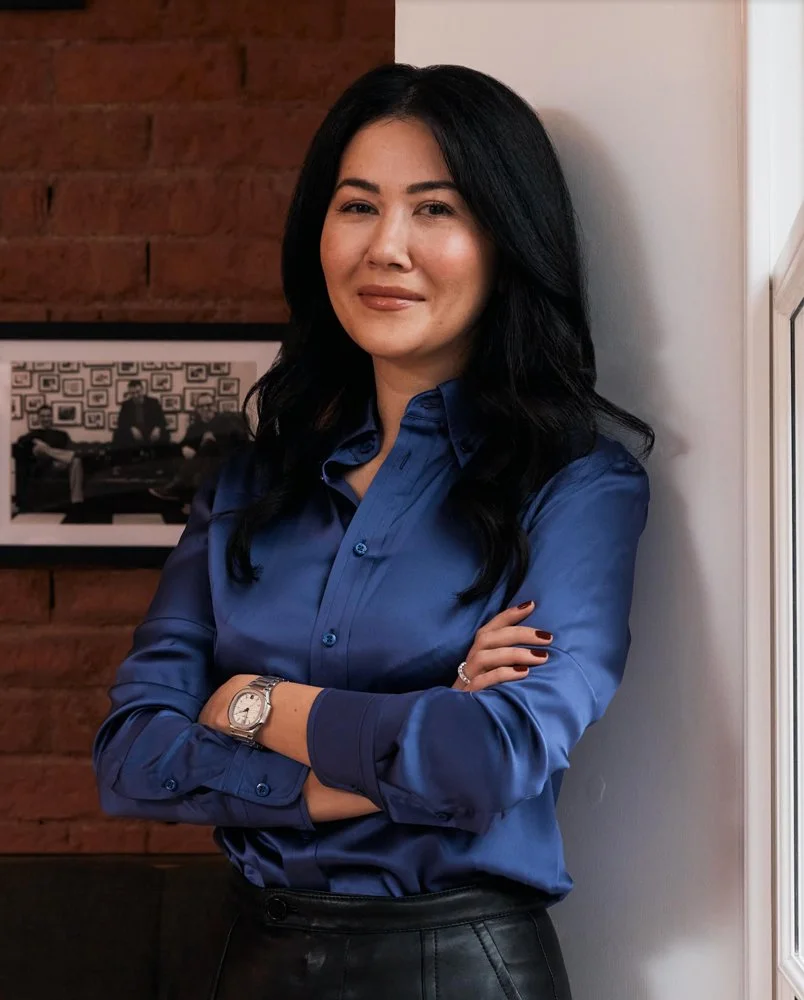
Luciana Lixandru, Partner at Sequoia Capital
Evan: And least favorite?
Luciana: I’d say founders who struggle to nurture talent. Some brilliant people don’t have patience for mistakes or collaboration and that makes it hard to scale a company.
Evan: Who inspires you most?
Luciana: My colleagues at Sequoia inspire me every day. They’ve shaped the venture industry. And my husband – he’s kind, grounded and an entrepreneur himself.
Evan: What’s the hardest part of your job?
Luciana: Saying “no”. Every “no” feels personal – you’re rejecting someone’s dream. I try to think of it as “not now” because often, it is.
Evan: I agree – “no” often means “not yet.” Finally, how do you separate signal from noise in such a hype-driven world?
Luciana: It’s hard. FOMO is powerful in our industry. I try to stay focused – spend time deeply on a few companies instead of chasing everything.
I’ve also learned to say “no” to unnecessary meetings. It frees time for real thinking. One CEO I know starts work at 6 a.m. and keeps 6-10 a.m. as uninterrupted “thinking time.” I don’t do that but maybe I should!
Evan: What advice would you give to someone hesitating to start a company?
Luciana: First, choose your co-founders wisely. Ideally, work with someone you’ve known or collaborated with before – it’s one of the most important decisions you’ll make. Second, be obsessed with the problem. If it’s only intellectually interesting, you’ll lose motivation when things get hard. But if it burns not to solve it, you’ll keep going.
Here’s what Luciana said about participating in our 11th Annual LDV Vision Summit: “It was great to be part of the LDV Vision Summit and speak with Evan about the opportunities we at Sequoia see in Europe, what it takes to build an enduring company today and share stories from the outlier founders I’ve been honoured to partner with. We see tremendous opportunities to build valuable businesses that leverage visual technologies & AI!”
You might also want to check out the following articles:
Computer vision & machine learning trends in 2025: from autoregressive token prediction to agentic AI, physics engines and more
Visual Tech & AI Advancements in Materials Science: Structuring New Material Discovery & Development
Fireside chat between Evan Nisselson and Victor Riparbelli, Co-Founder & CEO at Synthesia: a Founder’s Roller Coaster Stories From Pre AI Video Hype & Into The Future
We are thrilled to invite you to our 12th Annual LDV Vision Summit (virtual) on March 11, 2026!
We’re thrilled to announce the first few speakers:

Dr. Jan Erik Solem, CEO and co-founder of Stær, is building robots that are truly autonomous, able to map new environments, understand space, plan their movements and continuously improve. Most recently, Dr. Solem was director of engineering for Maps at Meta following the company’s 2020 acquisition of his startup Mapillary, where LDV was the first investor.
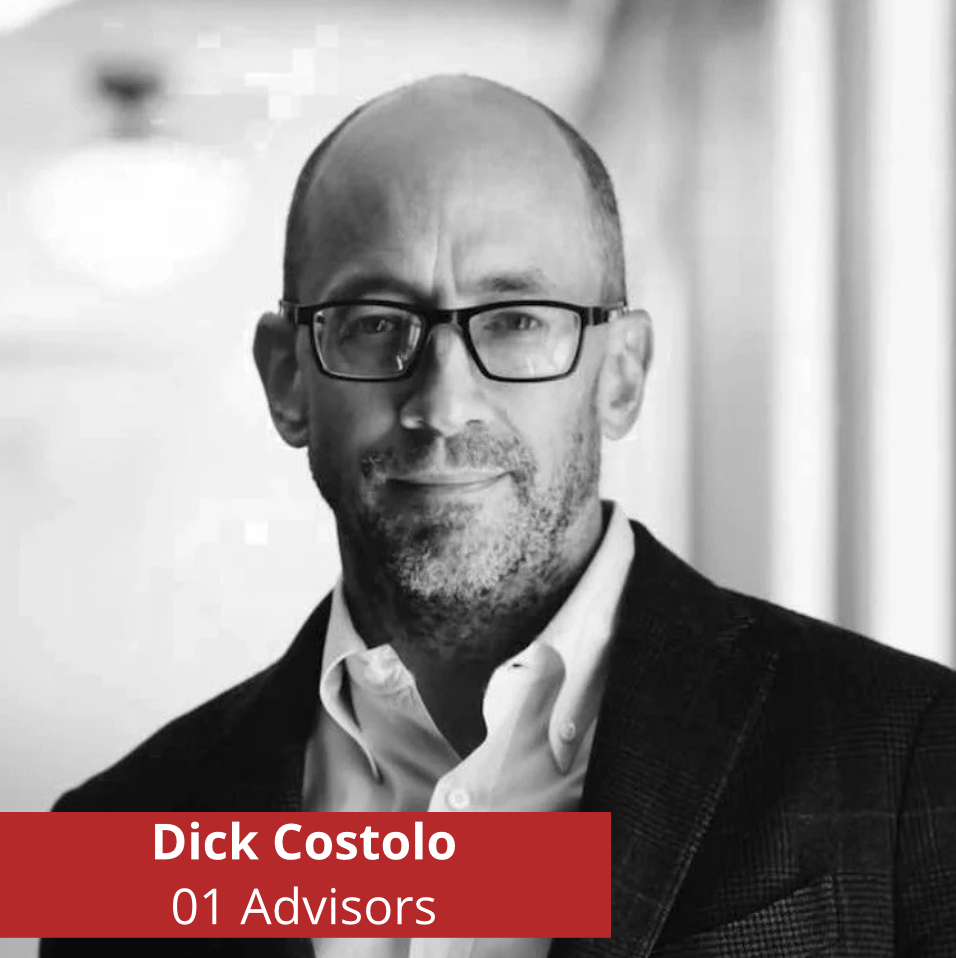
Dick Costolo is the Managing Partner and Co-Founder of 01 Advisors. Prior to 01 Advisors, Dick was CEO of Twitter from 2010 to 2015, having joined the company as COO in 2009. During his tenure, he oversaw major growth and was recognized as one of the 10 Most Influential U.S. Tech CEOs by Time. Before Twitter, Costolo worked at Google following its acquisition of FeedBurner.
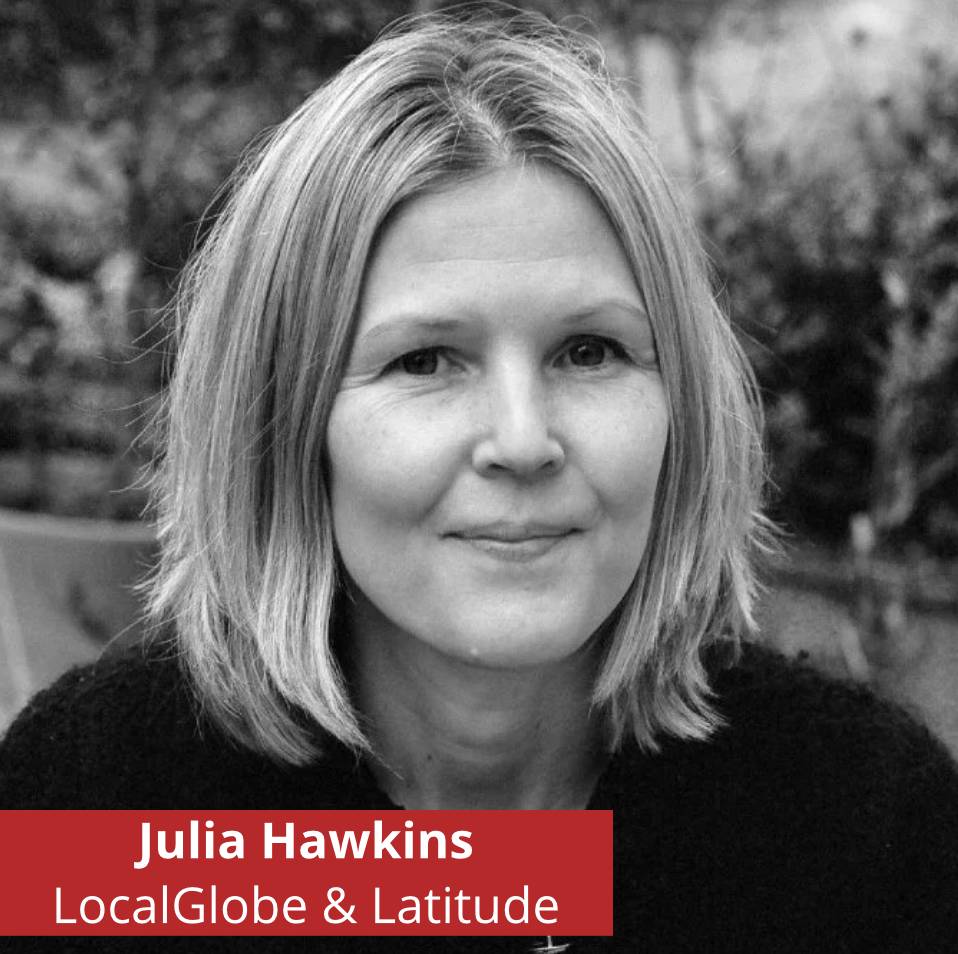
Julia Hawkins is a General Partner at LocalGlobe & Latitude with a focus on health and deep tech. Prior to LocalGlobe, Julia worked at Universal Music, where she established the company’s corporate venture arm and led investments in ROLI and Sofar Sounds, among others. Before that, she worked at Goldman Sachs, Last.fm, and BBC Worldwide.
Join our free event to be inspired by cutting-edge computer vision, machine learning and AI solutions that are improving the world we live in!