
Partnering with Staer to Deliver Spatial Intelligence and Physical AI for Autonomous Mobile Robotics
/
Staer team. Rigi, Switzerland, February 2026
In our 2025 LDV Capital article, we forecasted that “Physical AI Can’t Exist Without Eyes: Why Visual Tech Is the Real Engine Behind the Machines.”
This is why we are thrilled to partner as investors in the best spatial intelligence team again. Jan Erik Solem, Johan Gyllenspetz, Carl Silbersky, Yubin Kuang, Pau Gargallo, and Peter Neubauer are co-founders of Staer. They are enabling robots to see and move intelligently. In 2014, we were their first investors in their last company Mapillary which was sold to Meta (Facebook) in 2020. We co-led the first financing in their new company, Staer.
In 2026, the global market value of industrial robot installations has reached an all-time high of US$ 16.7 billion. Since 2014, the amount of industrial robots installed in global factories has more than doubled. Critical labor shortages and productivity bottlenecks are significant drivers for autonomous mobile robots.
The robotics market is ripe for disruption. A technology shift across the entire technology stack for robotics makes old solutions obsolete and integration of new technology critical. An era of experience for Physical AI means that the moat of proprietary training data will drastically diminish. Expensive foundational components such as LLMs and agentic tools are becoming commoditized and open source.
Over the next decade, robotics will evolve into distinct layers: the hardware layer, infrastructure layer, intelligence layer, and application layer. The intelligence layer refers to how robotics work is planned, deployed, and managed. The application layer refers to what end-users directly experience.
Advancements across the intelligence and application layers will be critical. While industrial robotics have populated factory floors for decades, they have largely been confined to highly structured factory environments and operated within predefined routines. Advances in visual navigation and spatial intelligence are allowing robots to break free from their tracks and operate safely in dynamic, unstructured settings alongside humans.
In our Insights report titled “Visual Technologies Enable a Bright Future for Manufacturing & Logistics,” we highlighted that manufacturing and logistics companies would need to rapidly adopt visual technology to improve quality, safety, flexibility and profitability. The report identified several themes that continue to compound today, including vision-enabled autonomous robots, vision-based quality assurance, light-based manufacturing and revolutionary materials produced through vision and light-based systems. Seven years later, these themes continue to prove relevant as AI, robotics, spatial intelligence and advanced sensing converge to unlock more adaptive autonomous manufacturing systems.
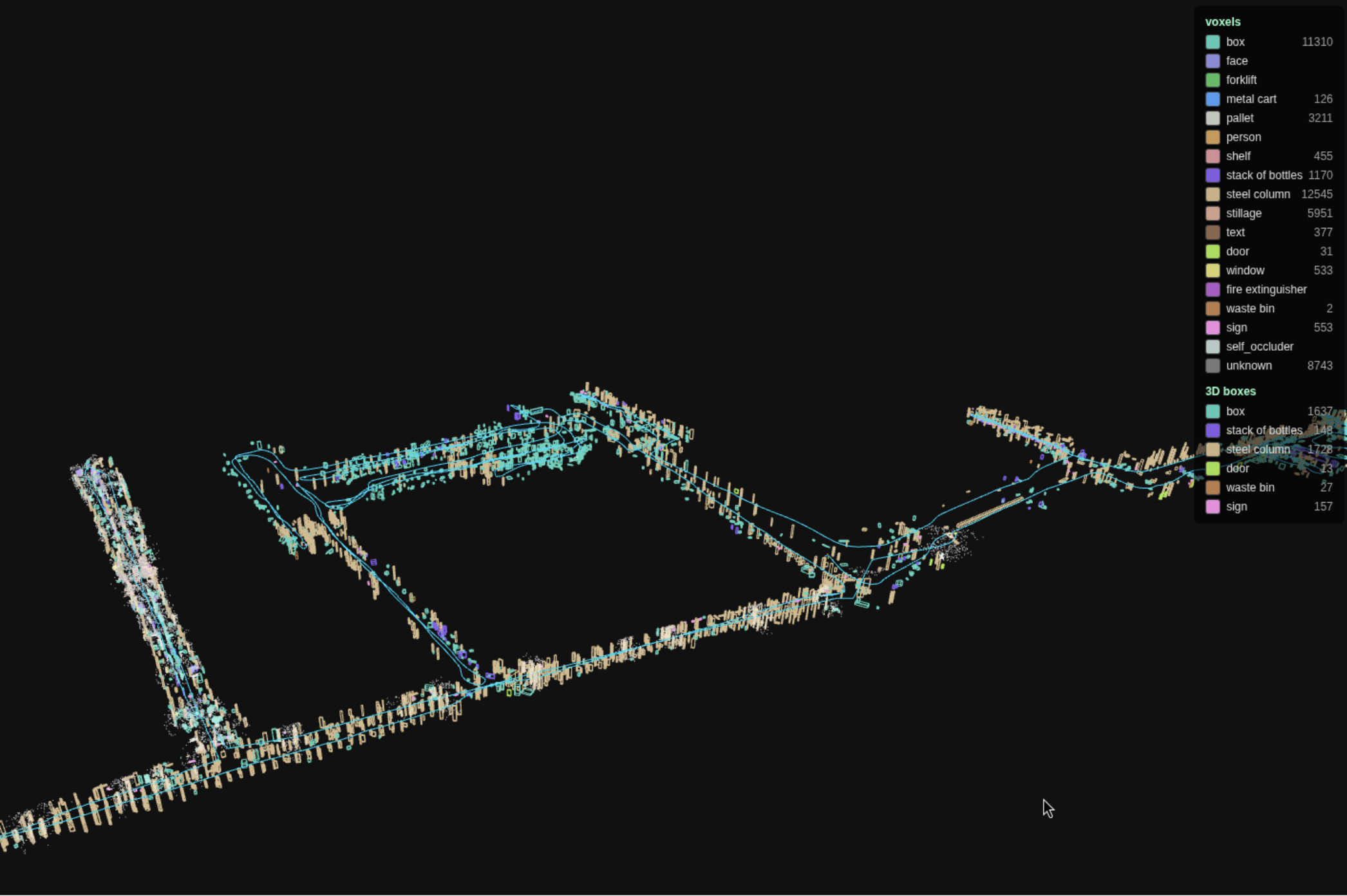
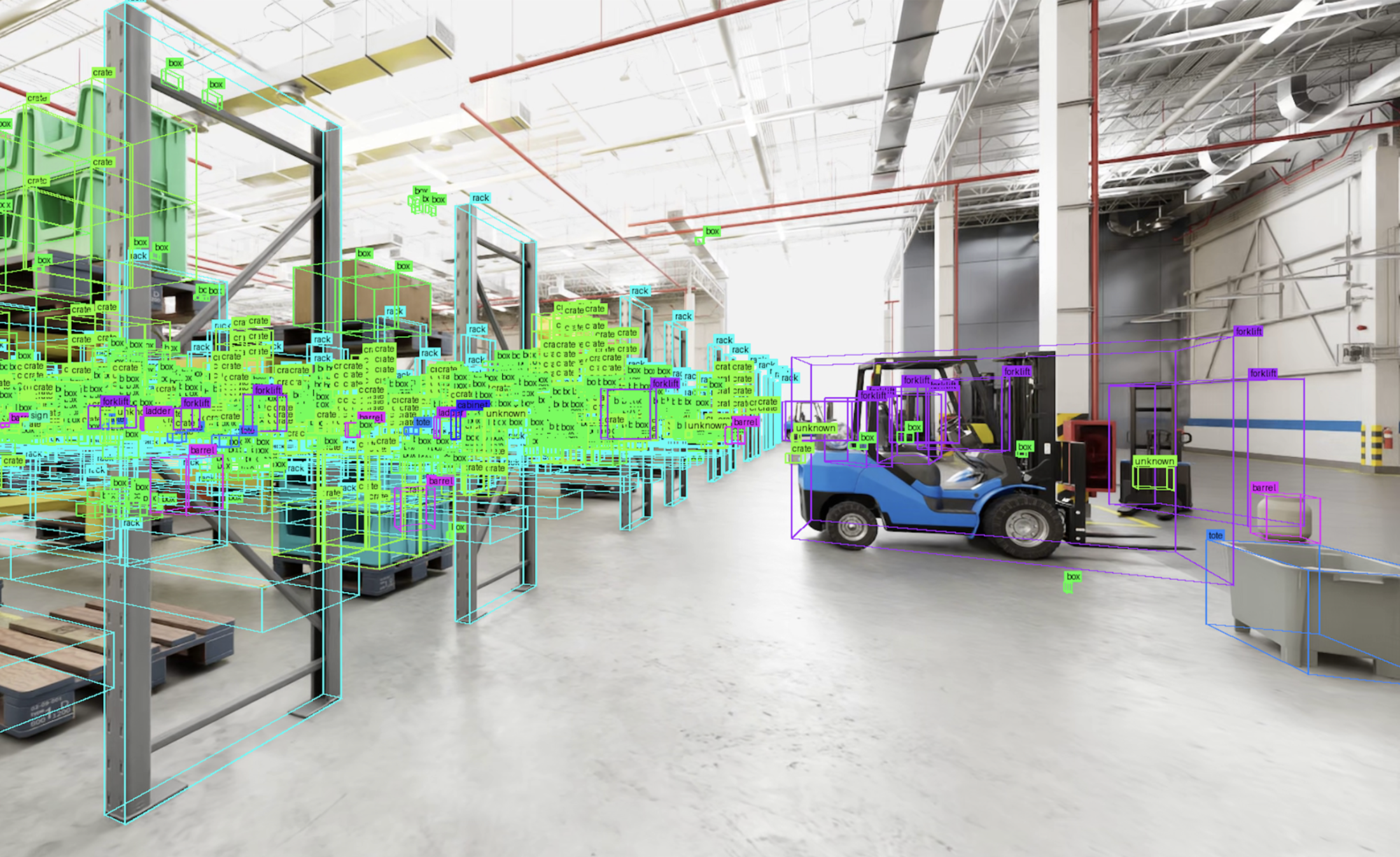
Staer AI provides Spatial Intelligence for autonomous mobile robot fleets that scale across any environment. They help warehouses with observability and coordination.
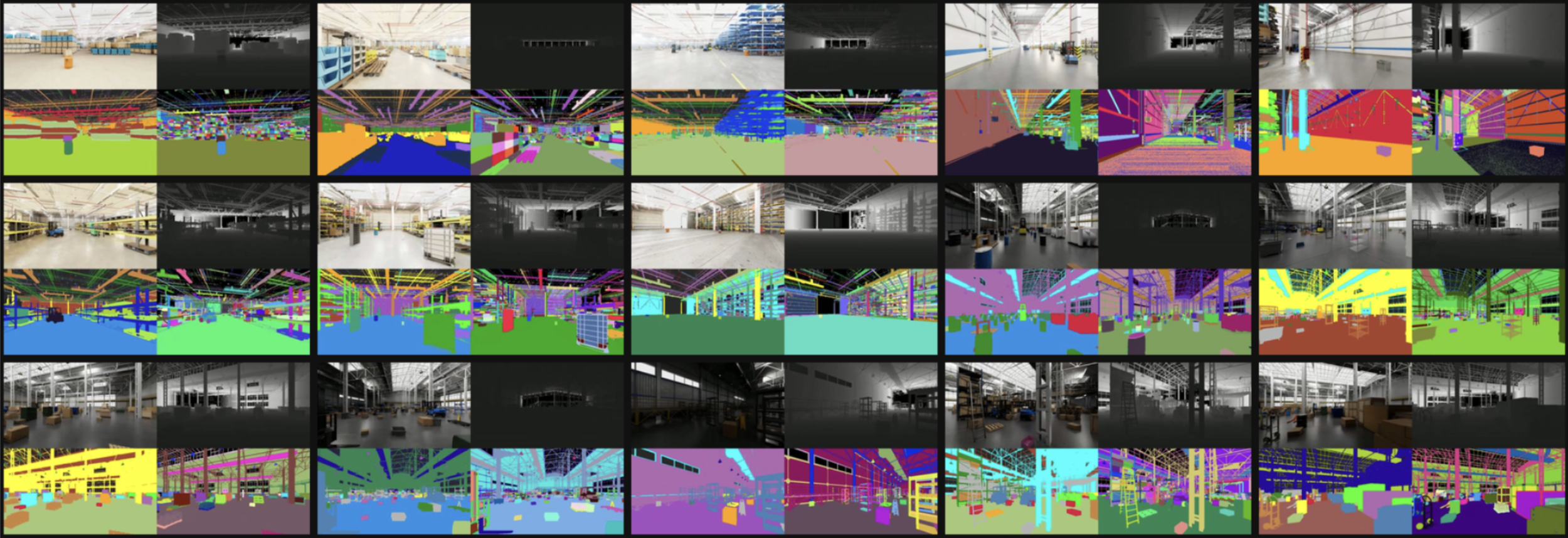
Staer delivers a unified platform for spatial understanding and robot coordination. Live 3D maps. Real-time tracking. Fleet orchestration across any vendor. One system that scales from visibility to full autonomy. Their platform is the foundation for Physical AI.
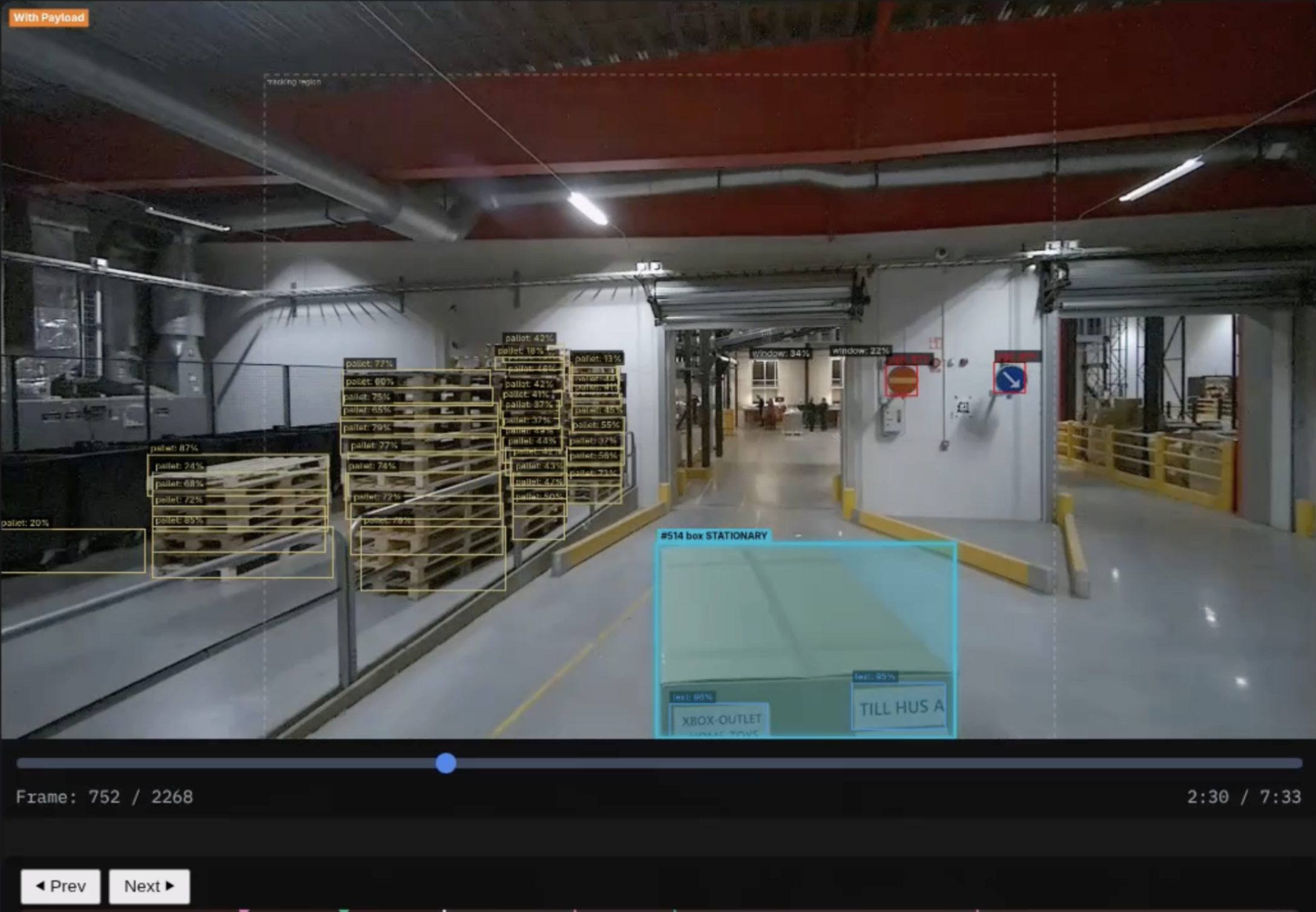
Every camera feed is processed through multiple perception pipelines simultaneously. The same sensor data powers mapping, identification, and tracking. Staer’s business model is a combination of forward-deployed engineering services, embedding engineers directly with customers to deliver mission-critical deployments, and a high margin SaaS model delivering recurring annual license revenue per site or fleet.
Staer is currently signing multiple commercial pilots across e-commerce, logistics, retail and OEM. They are validating the speed of their AI-first GTM motion and were accepted to the Google Deepmind Accelerator for Robotics and Physical AI.
"The warehouse robotics market has been promising for a decade, but the last two years changed something fundamental, robots are now cheap enough to deploy broadly, huge advancements in Physical AI capabilities, and the labor shortage isn't going away. Staer helps warehouses solve their observability problem and coordination problem with one simple solution. We give robot fleets the eyes and intelligence they've been missing, and every month that goes by, there are more robots that need exactly that." says Jan Erik Solem.
Staer’s founding team previously built Mapillary together, a street-level imagery and mapping data platform that was acquired by Meta (Facebook) in 2020. We at LDV Capital were the first investors in Mapillary in 2014 and later co-investors included Sequoia, Atomico, BMWi and others. We are thrilled to be partnering with the brilliant Mappilary founders again in Staer.
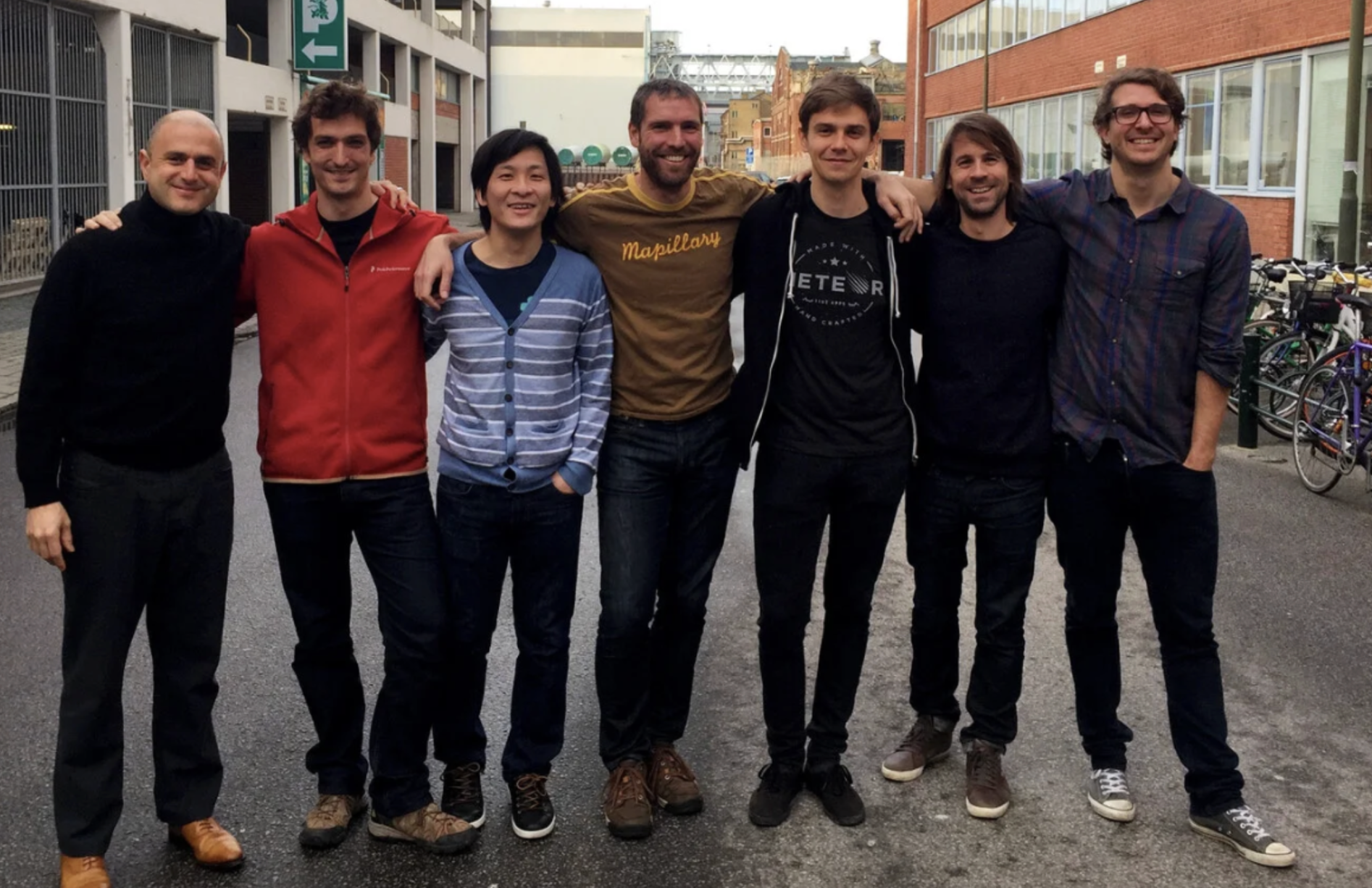
R-L: Johan Gyllenspetz, Jan Erik Solem, Kamil Nikel, Peter Neubauer, Yubin Kuang, Pau Gargallo, and Evan Nisselson in Malmo, Sweden. December 17, 2014.
Jan Erik Solem, co-founder & CEO at Staer, was previously co-founder & CEO at Mapillary and is one of our LDV Capital Experts in Residence. Jan Erik Solem is a pioneer in computer vision who sold his first company, a facial recognition company called Polar Rose, to Apple in 2010. Since 2012, Evan and Jan Erik have been good friends and we now have the pleasure of co-investing with him twice.
Alongside Jan Erik, Staer’s co-founders are Johan Gyllenspetz, Carl Silbersky, Yubin Kuang and Peter Neubauer. The team is currently 13 people.
At LDV Capital, we invest in people building businesses powered by visual technology & artificial intelligence. A majority of the data our brains analyze is visual. Therefore, the majority of the data AI will analyze will also be visual, spanning the light and electromagnetic spectrums across all sectors. We thrive on collaborating with deep tech teams leveraging computer vision, machine learning, and artificial intelligence to analyze visual data. We are the only venture capital firm with this thesis since 2012.
We are delighted to partner with Staer as they deliver the future of physical AI by enabling mobile robots to be truly autonomous and giving them the ability to map new environments, understand space, plan their movements, and continuously improve.
In our recent article, “The Blueprint for Trillion-Dollar Visual Technology And AI Opportunities in Legacy Industry Automation”, we highlighted how manufacturing is one of several industries where we will witness a new wave of legacy industry automation. Rather than force-fitting clean, rigid workflows into unpredictable environments, cutting-edge visual technologies & AI will enable software to reason through messy, ambiguous, real-world problems in dynamic physical settings.
“Physical AI will not succeed until machines can truly see. We are honored to partner again with the amazing visual intelligence team who built Polar Rose which was acquired by Apple, then built Mapillary which was acquired by Meta and now are building Staer to enable robots to intelligently see and co-work more effectively. Staer’s future opportunities will span horizontally across all sectors leveraging physical AI such as hospitals, construction, factories and much more,” says Evan Nisselson, General Partner, LDV Capital.
Their funding will be used to accelerate product development, increase customer engagements and strategic channels, and grow the team. They are looking for introductions to robotics fleet customers across logistics & 3PL, automotive, CPG, industrial manufacturing, and retail & e-commerce.